

HVAC Engineering Knowledge & Practical Guides
Practical HVAC engineering articles on fan selection, airflow, duct design, pressure, motors, energy efficiency and building systems — with calculations, charts and real-world examples.
No articles match your filters — try clearing search or tags.
 Energy Efficiency
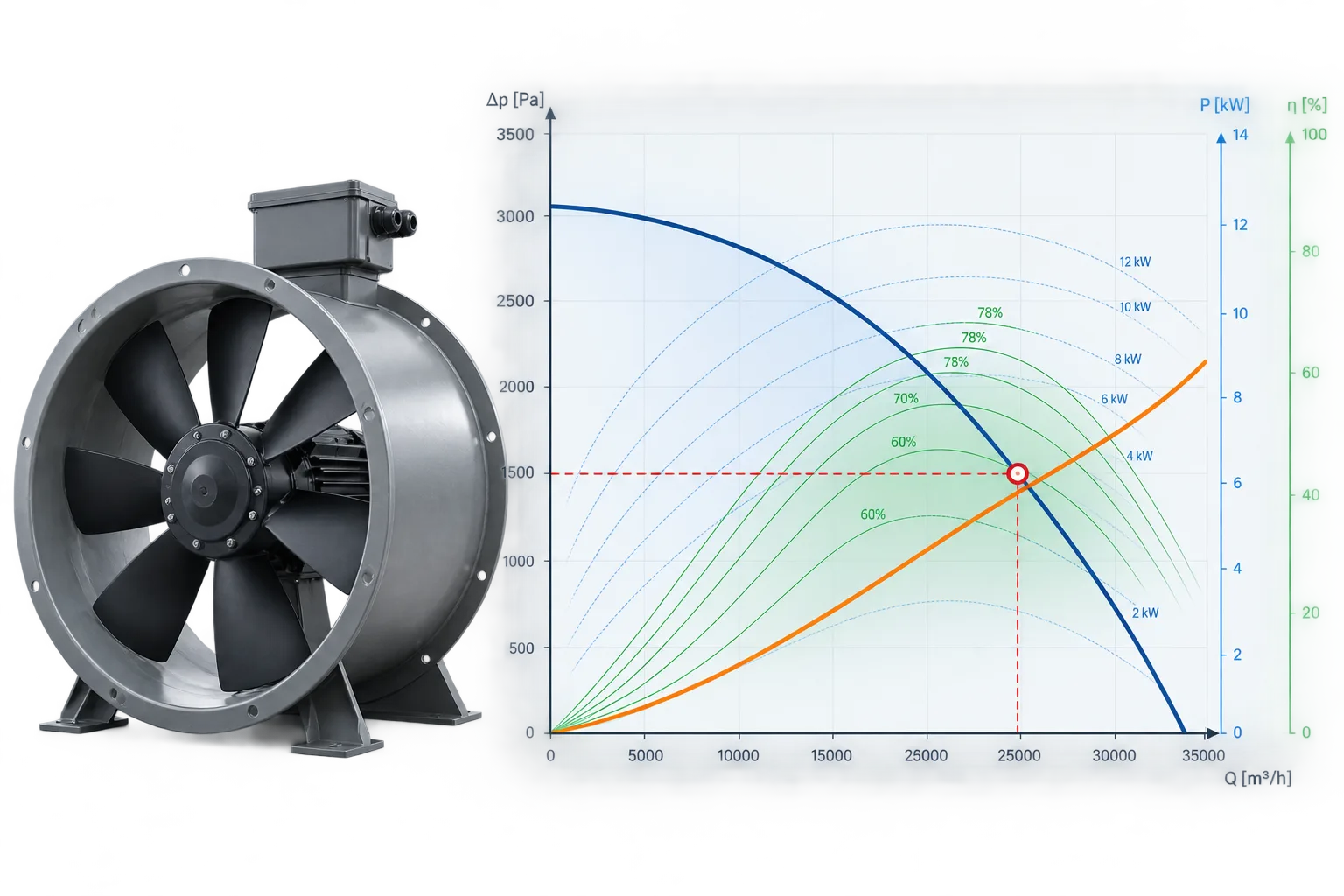
Common HVAC Design Mistakes That Increase Energy Consumption
Ten recurring design mistakes that quietly inflate running costs -- oversized fans, undersized ducts, ignored System Effect, throttling instead of VFD control, duct leakage, wrong motor selection and more -- with a real worked example of why cheap to install isn't cheap to run.
 Airflow & Ducts
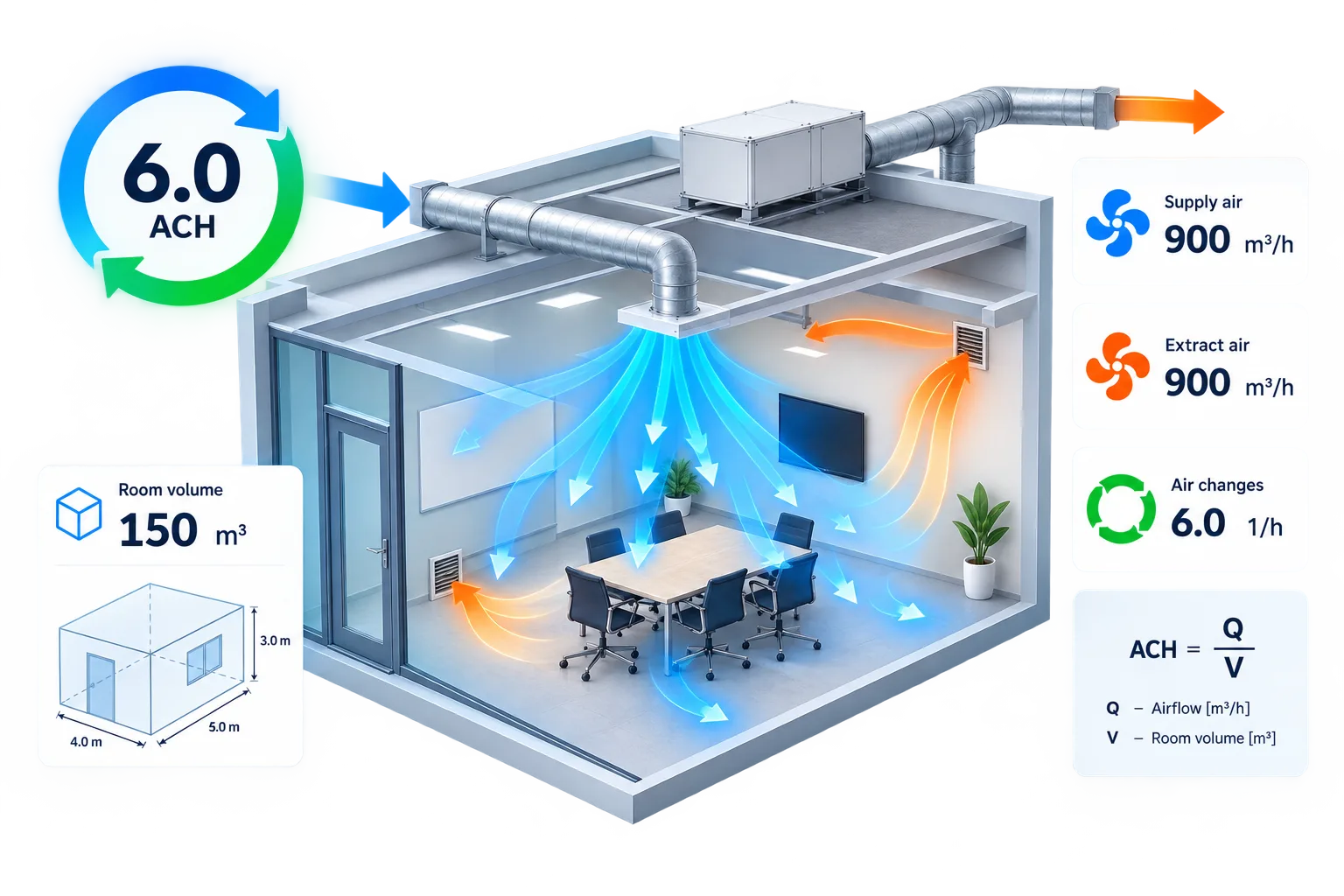
What Is a Good Air Change Rate for Different Types of Rooms?
What ACH means, the Q = ACH x V formula worked through a real example, typical air change rates for bedrooms, bathrooms, kitchens, offices, gyms, labs, warehouses and more, and why ACH alone isn't always the right design criterion.
 Motors & Drives
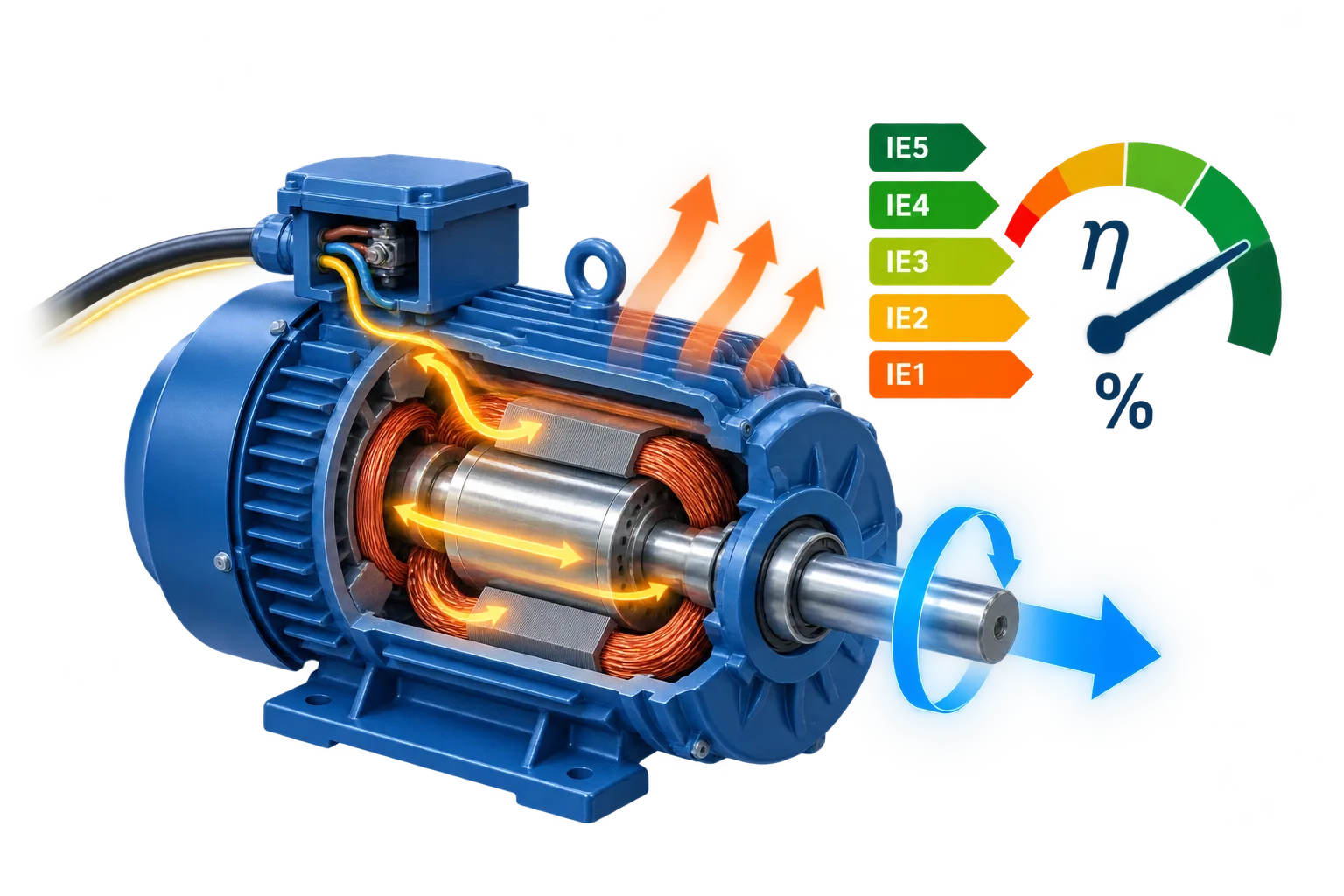
How to Choose the Right Motor for a Fan
Shaft power vs motor power, how much safety margin actually makes sense, IE2 through IE5 explained, AC vs EC, direct vs belt drive, poles and RPM, DOL/star-delta/soft-starter/VFD starting, and why oversizing a motor quietly costs you at part load.
 Airflow & Ducts
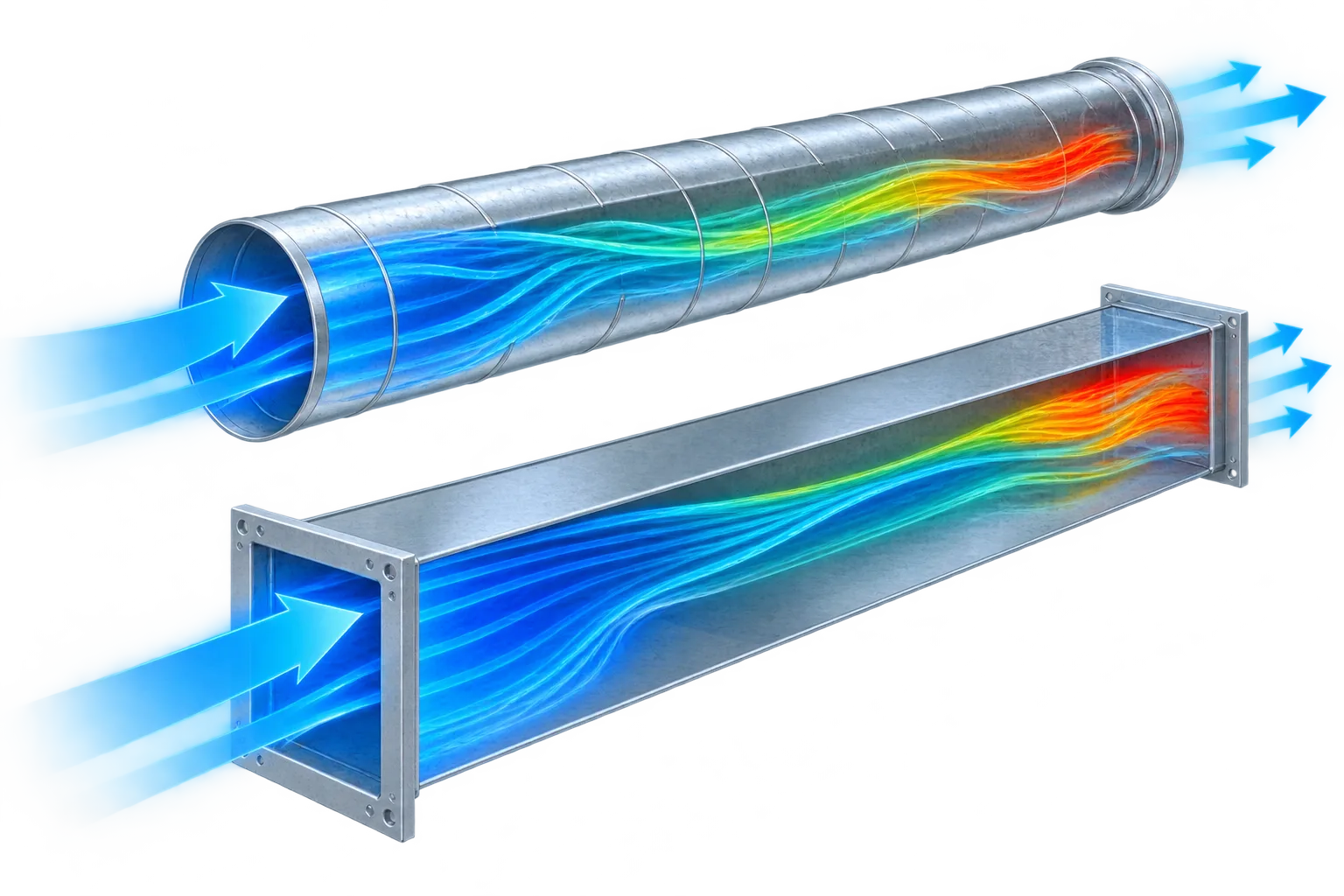
Static Pressure vs Total Pressure: What HVAC Engineers Need to Know
Static, velocity and total pressure explained simply, with Pt = Ps + Pv, how each is actually measured, a real duct-expansion worked example showing static regain, and why mixing up static and total pressure is a common source of fan-selection errors.
 Fan Performance
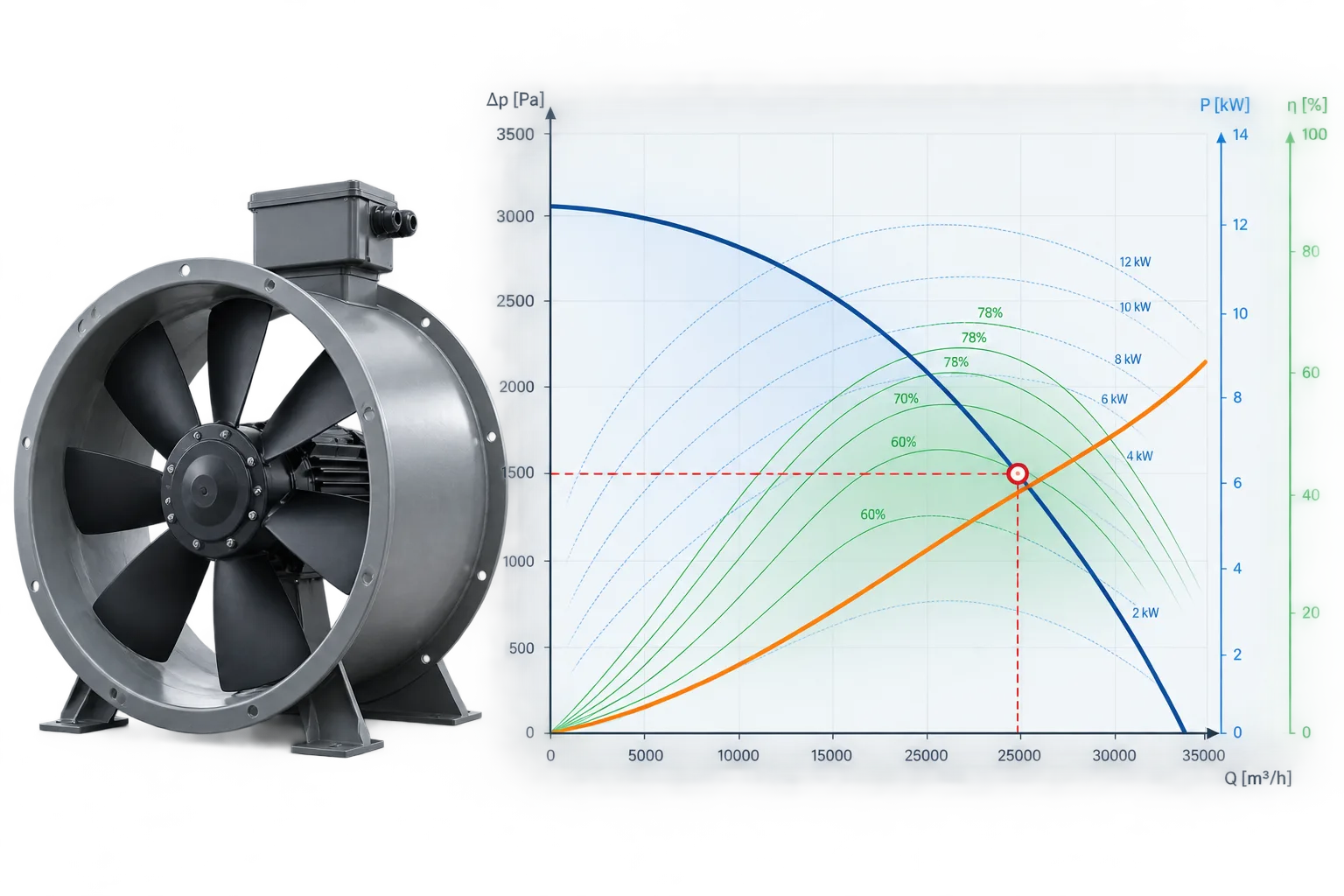
Why Is My Fan Not Delivering the Expected Airflow?
A fan selected for 10,000 m3/h reads 8,200 on commissioning -- not a defective fan, a shifted operating point. System Effect, close-coupled inlet elbows, underestimated resistance, duct leakage, wrong RPM and density mismatch, with the operating-point chart and a diagnostic checklist.
 Airflow & Ducts
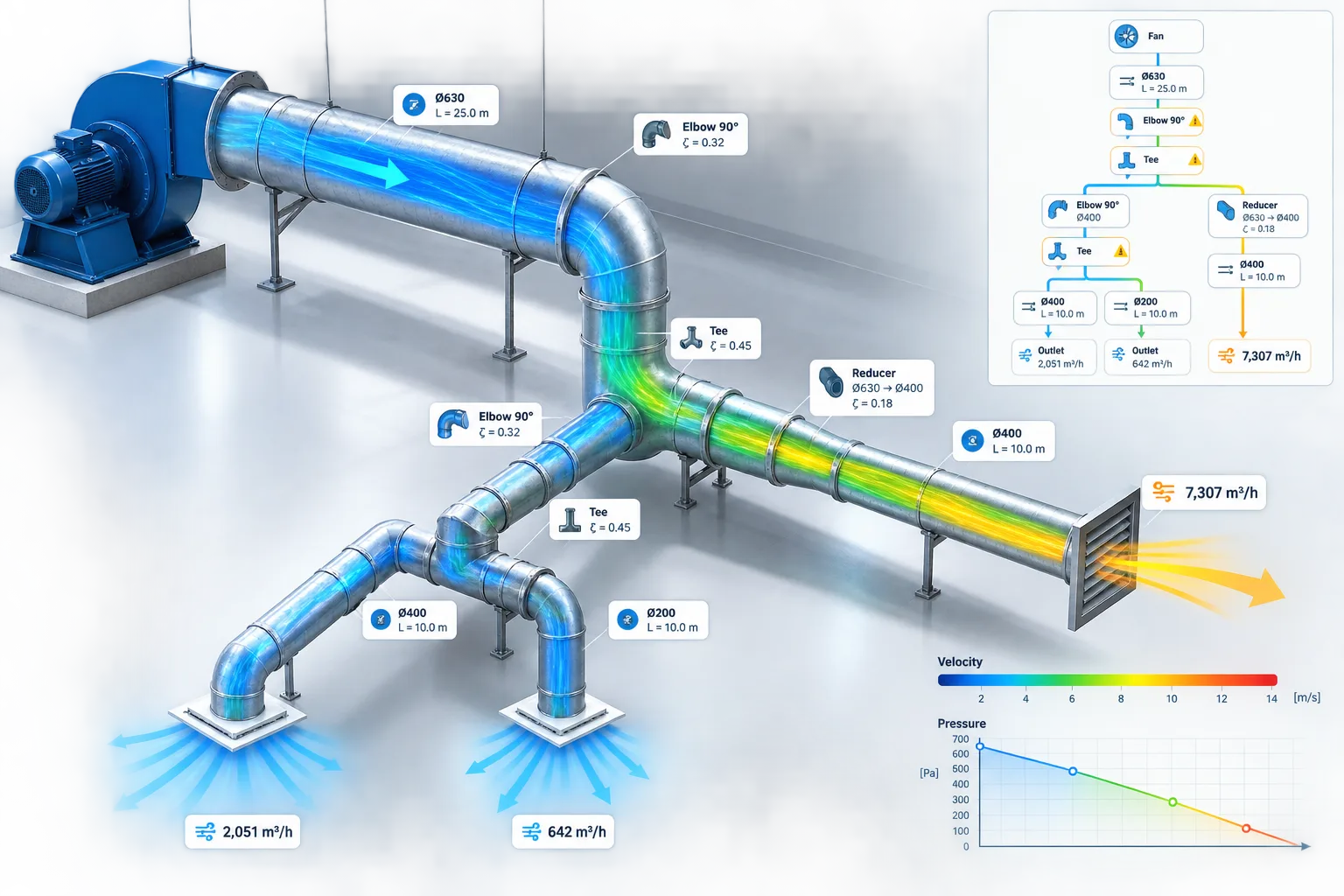
How to Reduce Pressure Loss in HVAC Ductwork
Where duct pressure loss actually comes from -- friction versus local losses at elbows, tees, dampers and filters -- why diameter and velocity are the two biggest levers, and how bigger ducts trade capital cost for running cost, with a real component-by-component loss breakdown.
 Energy Efficiency
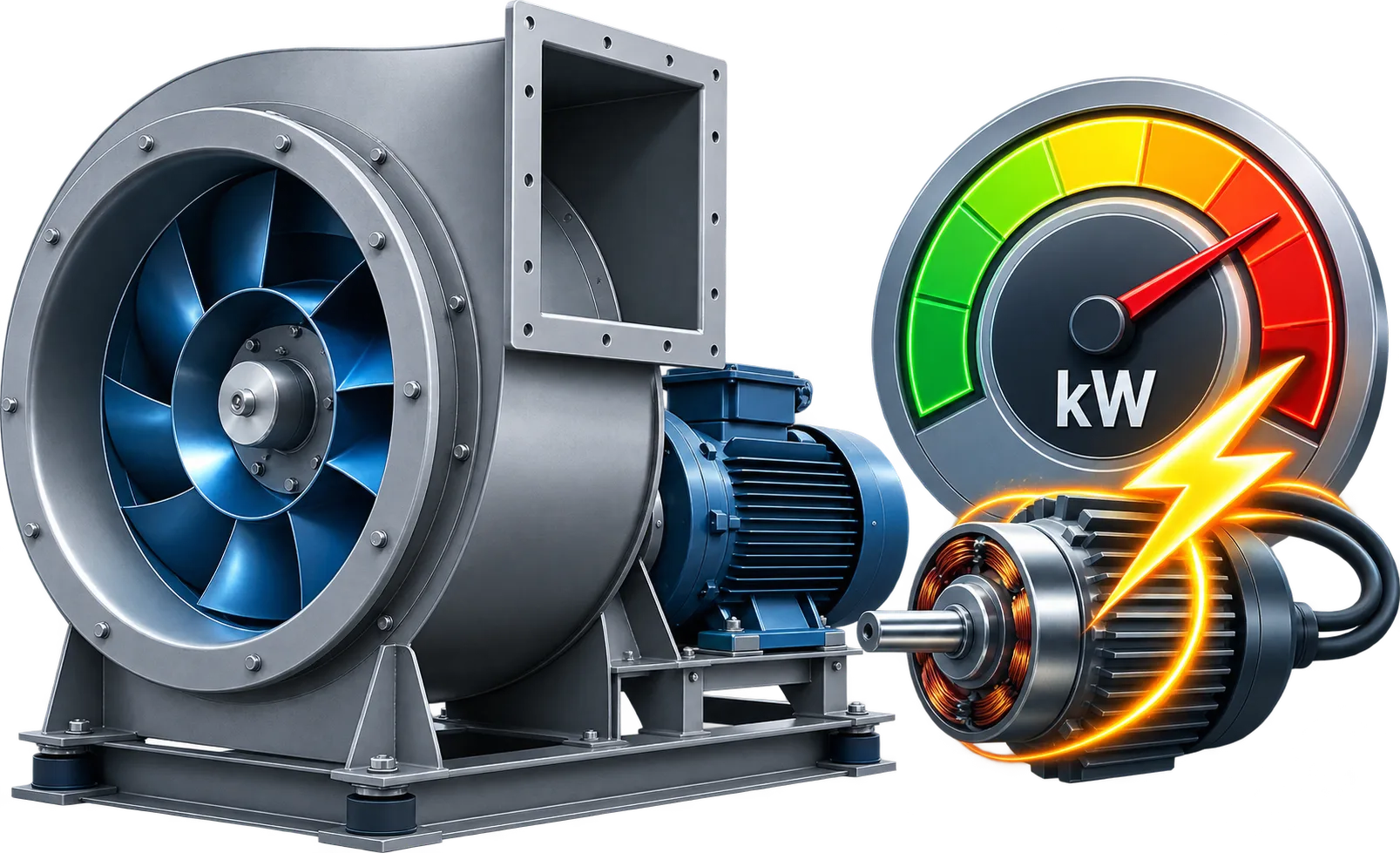
How to Improve HVAC System Efficiency and Reduce Energy Costs
Where HVAC energy actually goes -- fans, heating/cooling, motors, pressure losses, dirty filters, oversizing, heat recovery, scheduling and setpoints -- and why fan speed control gives outsized savings thanks to the cube law, with a real before/after worked example.
 Air Properties & Units
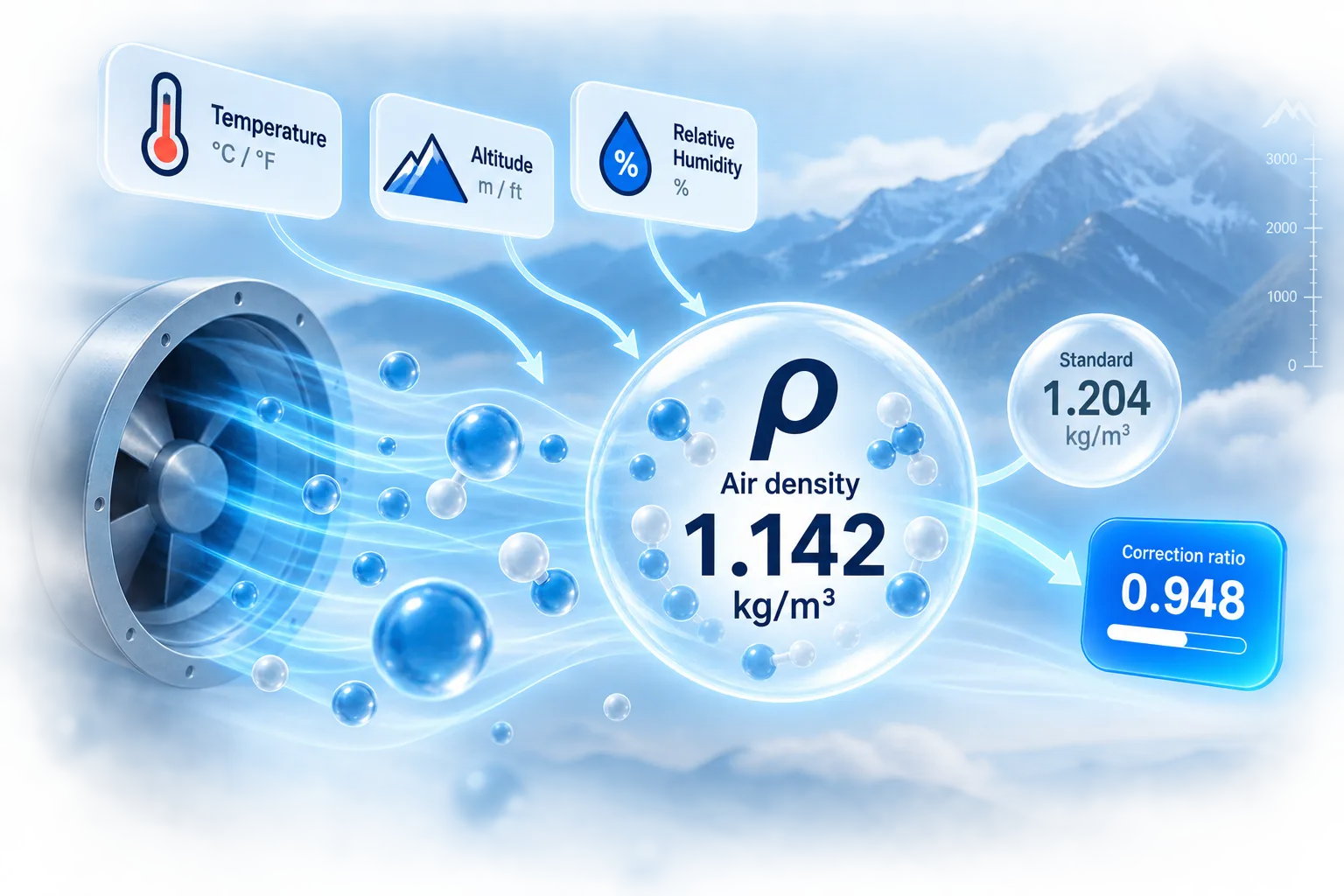
How Temperature and Altitude Affect Fan Performance
Why the same fan delivers different pressure and power depending on where and when it runs -- what air density actually is, why airflow stays constant while pressure and power scale with density, and how to correct a catalogue rating for a real site, with real density-vs-altitude and density-vs-temperature charts.
 Fan Performance
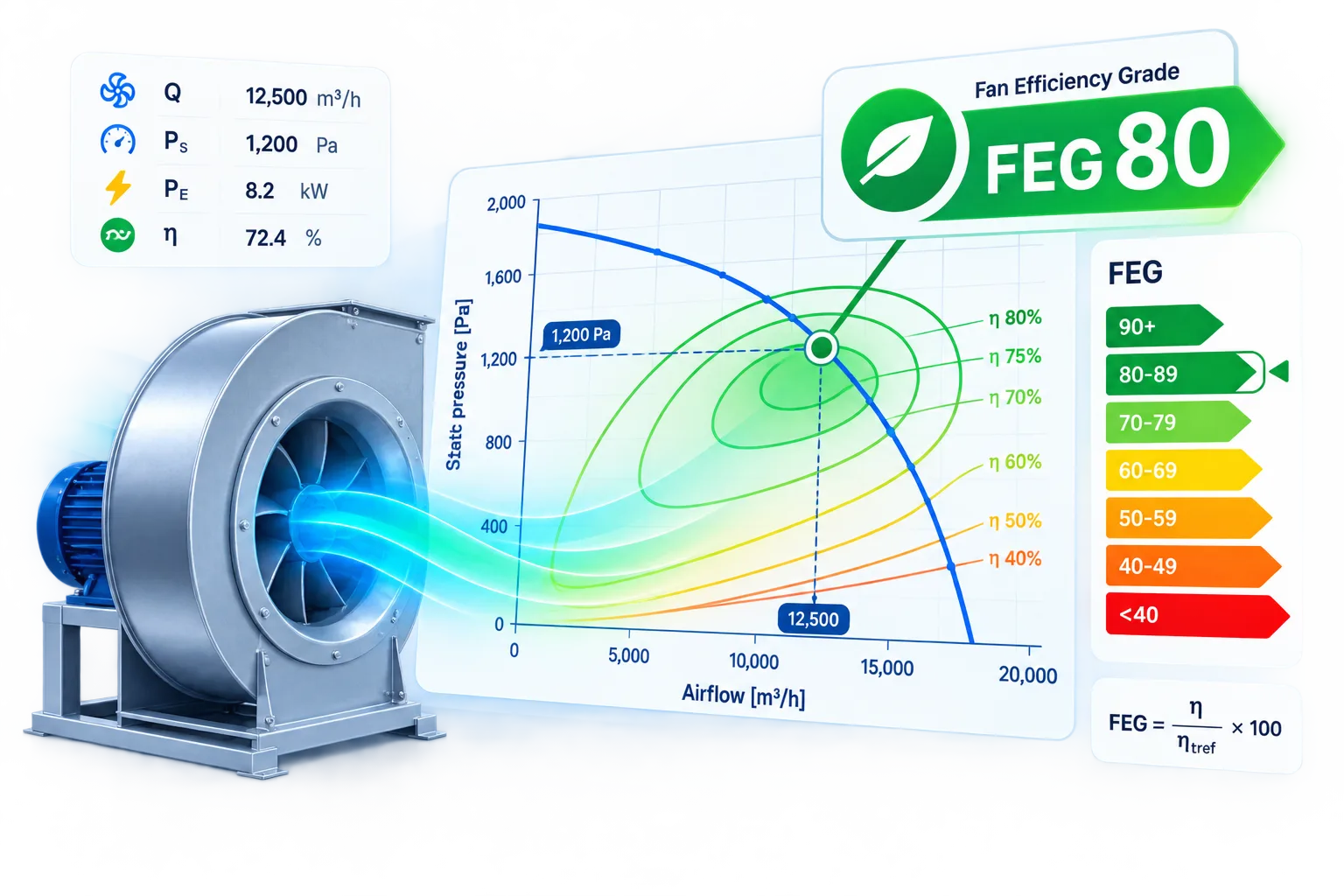
Fan Efficiency Explained: η, FEG, FEI, SFP and ErP — What Is the Difference?
Five acronyms that all claim to measure fan efficiency, and why they can genuinely disagree about the same fan -- explained with one diagram showing exactly where each one draws its line across the power chain, plus a real FEG grade-band chart and a side-by-side comparison table.
 Airflow & Ducts
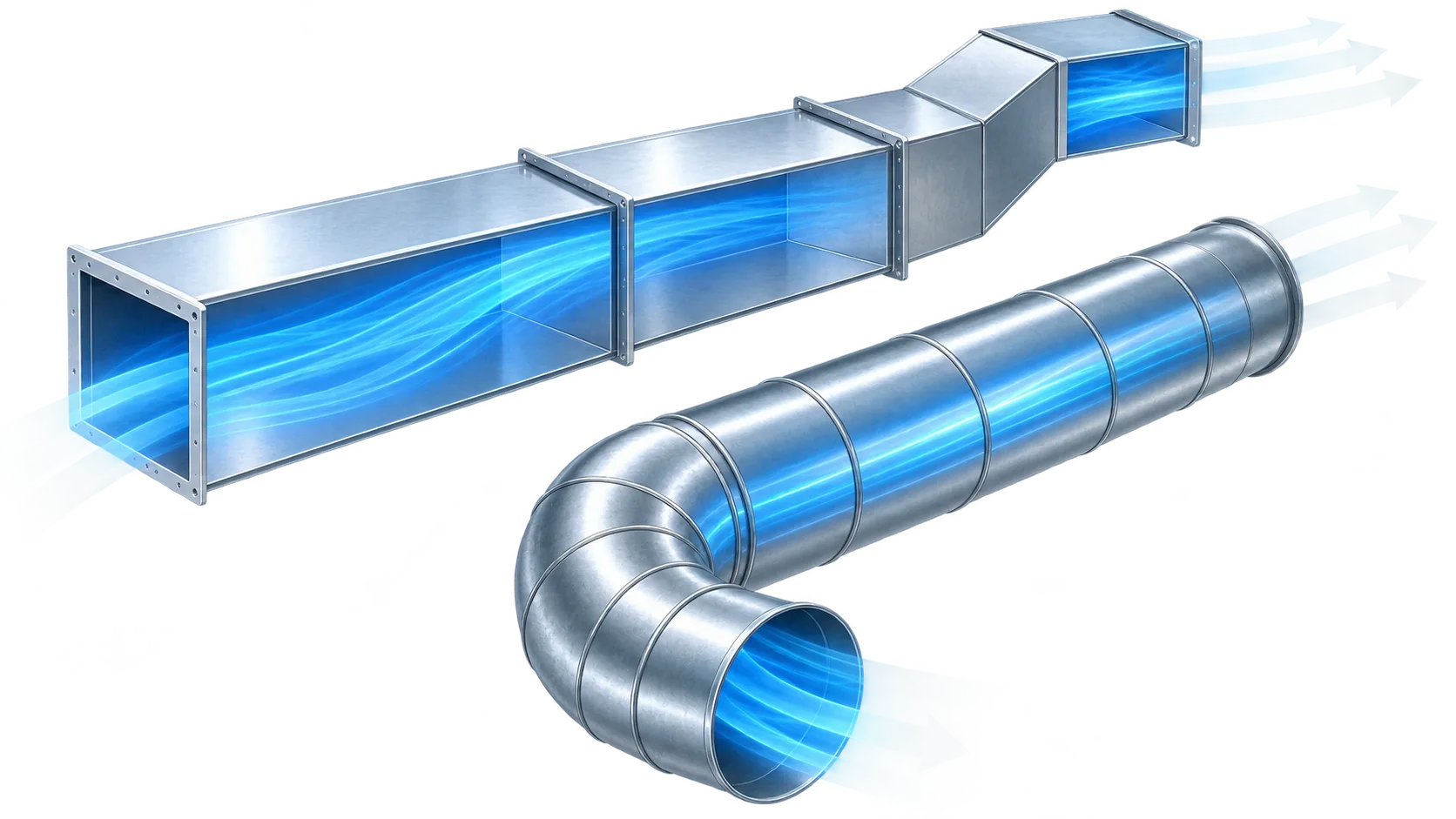
How to Calculate HVAC Duct Size: Airflow, Velocity and Pressure Drop Explained
How airflow, velocity and pressure drop are all connected, why velocity is the number that actually drives noise and fan energy cost, and which of CloudAir's three duct tools to reach for -- with a real Colebrook-White pressure-drop curve and a worked round-vs-rectangular comparison.
 Fan Performance
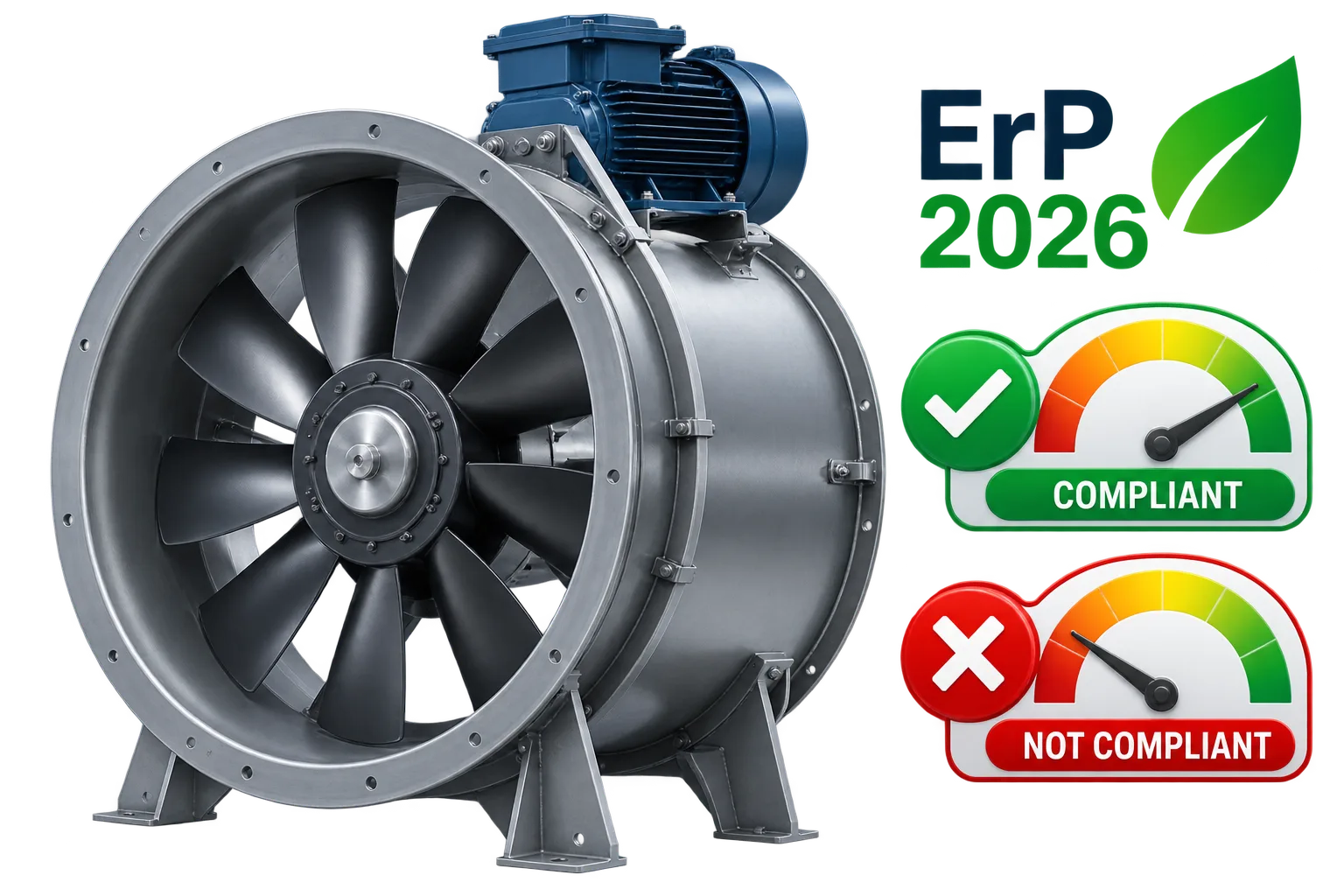
ErP 2026 for Fans: What HVAC Engineers and Manufacturers Need to Know
Regulation (EU) 2024/1834 is in force from 24 July 2026 and replaces the old ErP 327/2011 -- what actually changed, what the efficiency formula measures, and how to check a real fan against it, with the regulation's full required-efficiency curve.
 Fan Performance
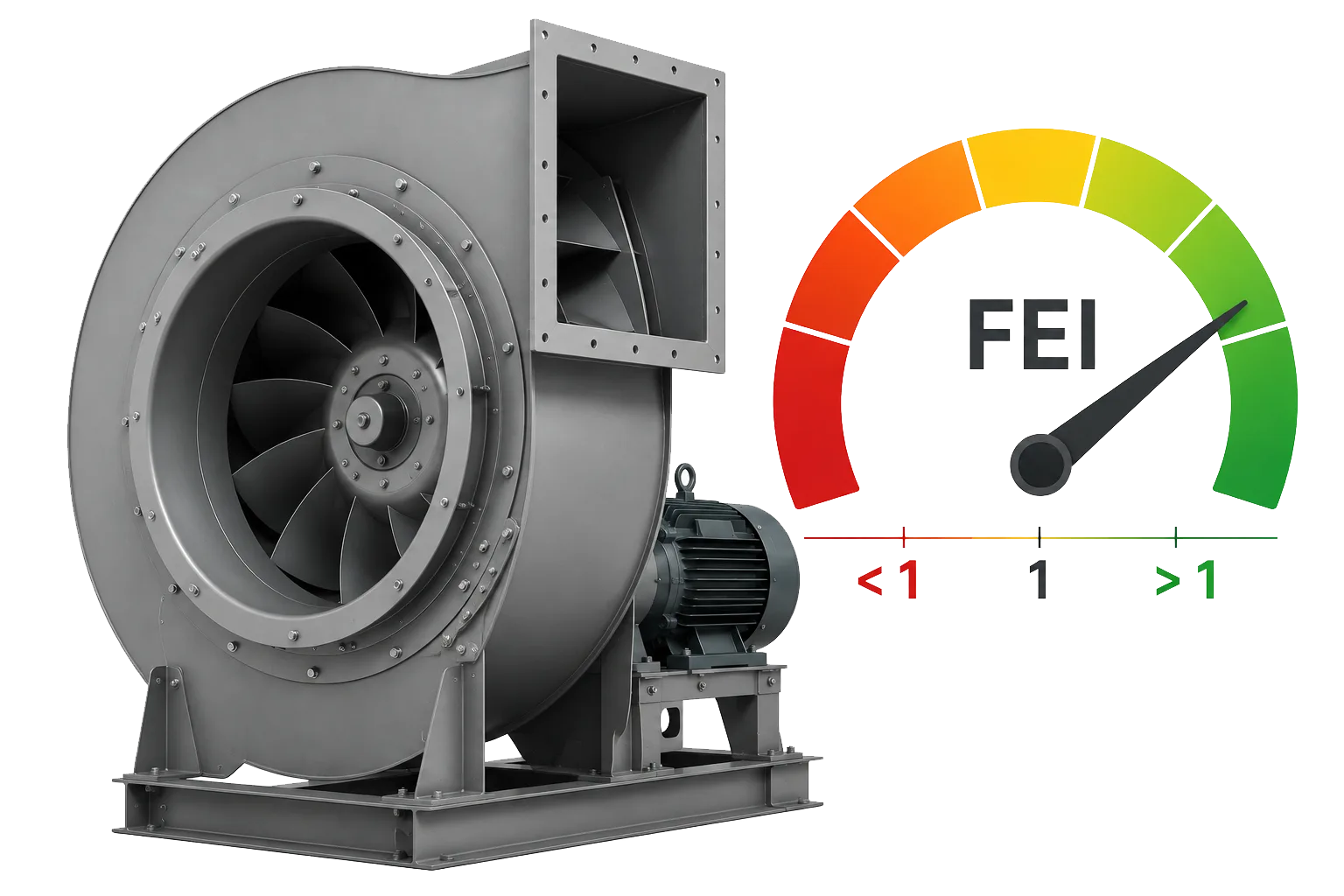
What Is Fan Energy Index (FEI)? A Complete Guide
What FEI actually measures, where the 'reference fan' comes from, and why it's now a legal minimum under ASHRAE 90.1-2019 and IECC 2021 that can block a permit if a fan doesn't clear it -- with a real worked example.
 Motors & Drives
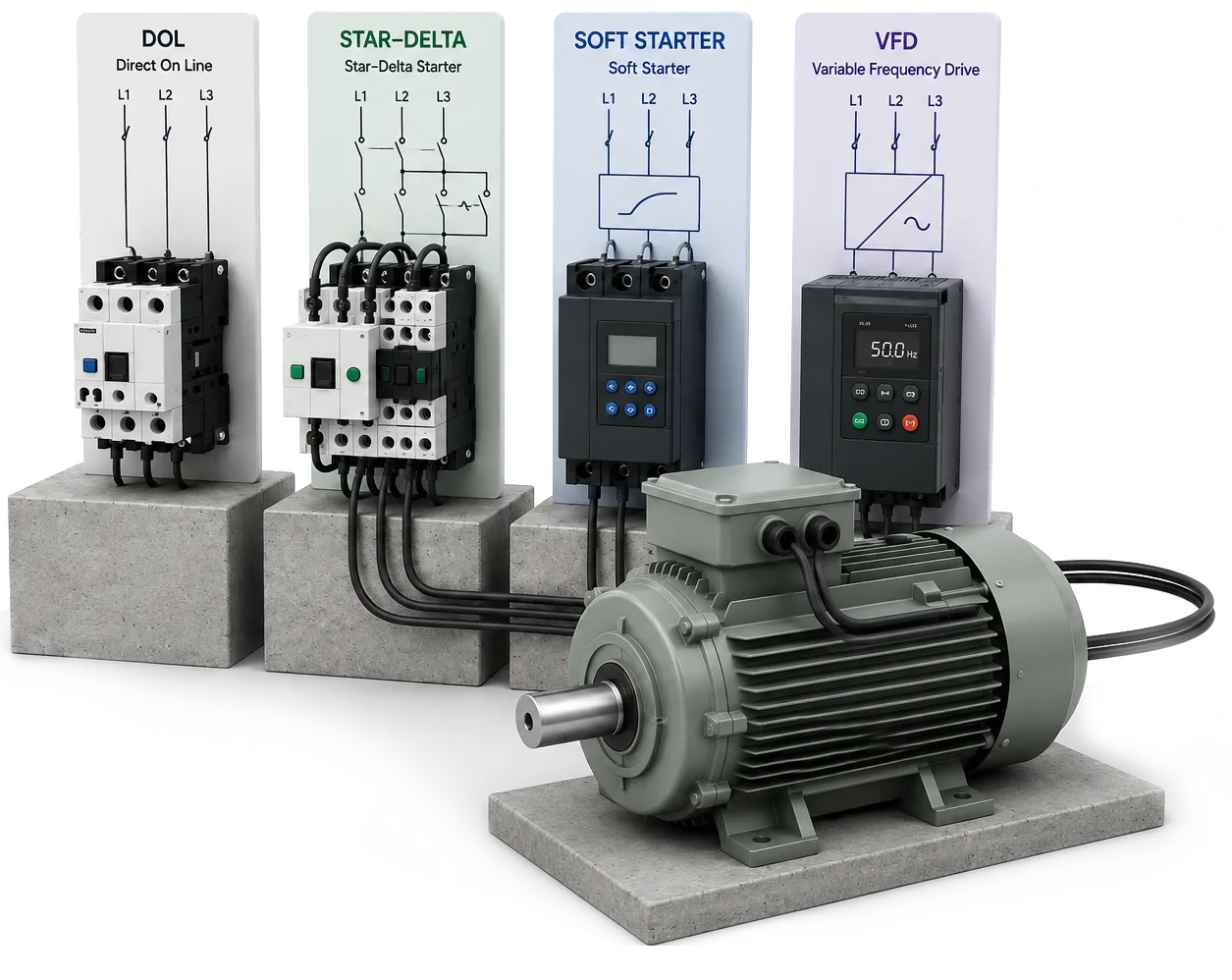
Motor Starting Methods Explained: Why That First Second Matters Most
What actually happens in the first second after you switch a motor on, why it can dim lights and stress belts and gearboxes, and how DOL, Star-Delta, Autotransformer, Soft Starter and VFD starting each trade speed for smoothness -- with real numbers from a worked example.
 Building Physics
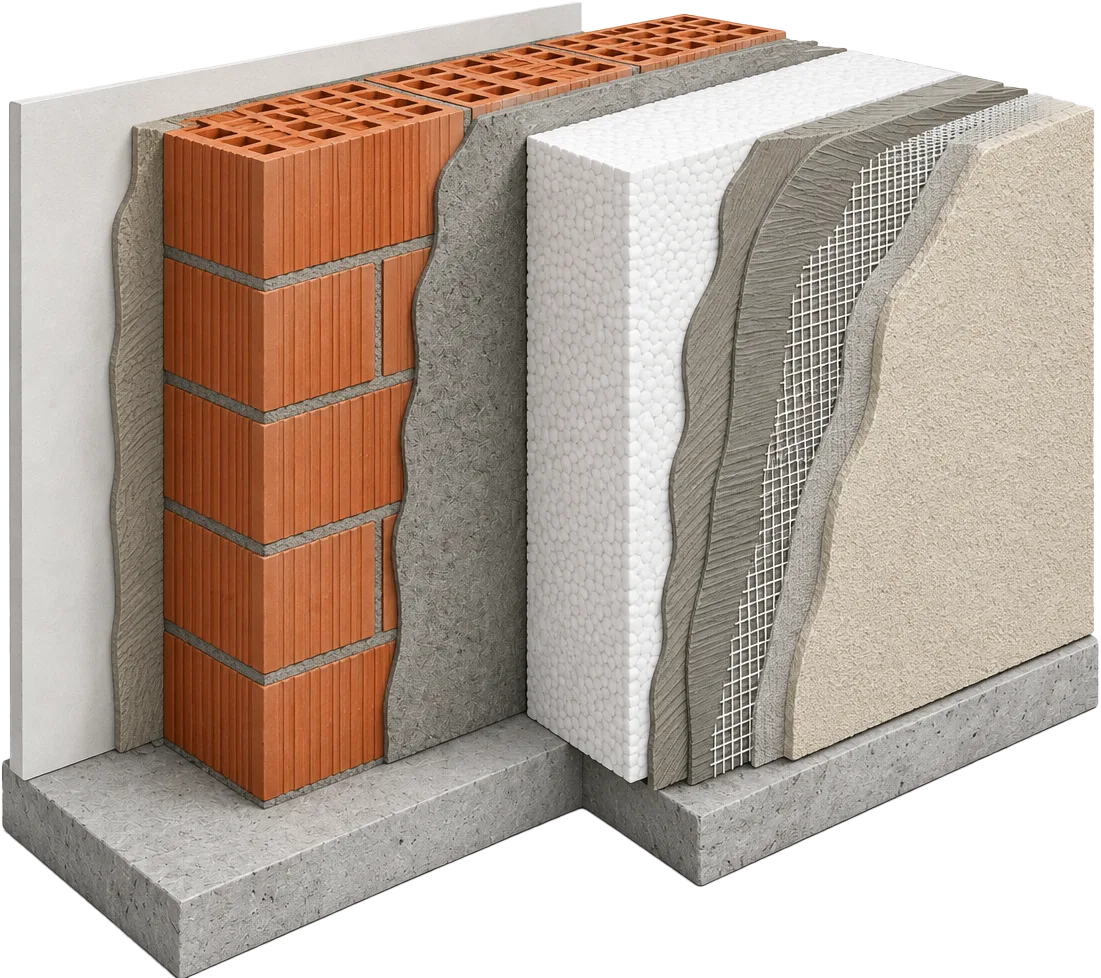
U-Value Explained: How to Calculate Real Heat Loss (and What It's Costing You)
What U-value actually measures, how it's calculated per EN ISO 6946, and how a few centimetres of insulation can be worth hundreds of euros a year — with a worked example and a free calculator to check your own wall, roof or floor.